
Why renting equipment makes sense during peak season
Jul 30, 2026 4:44 PM EEST
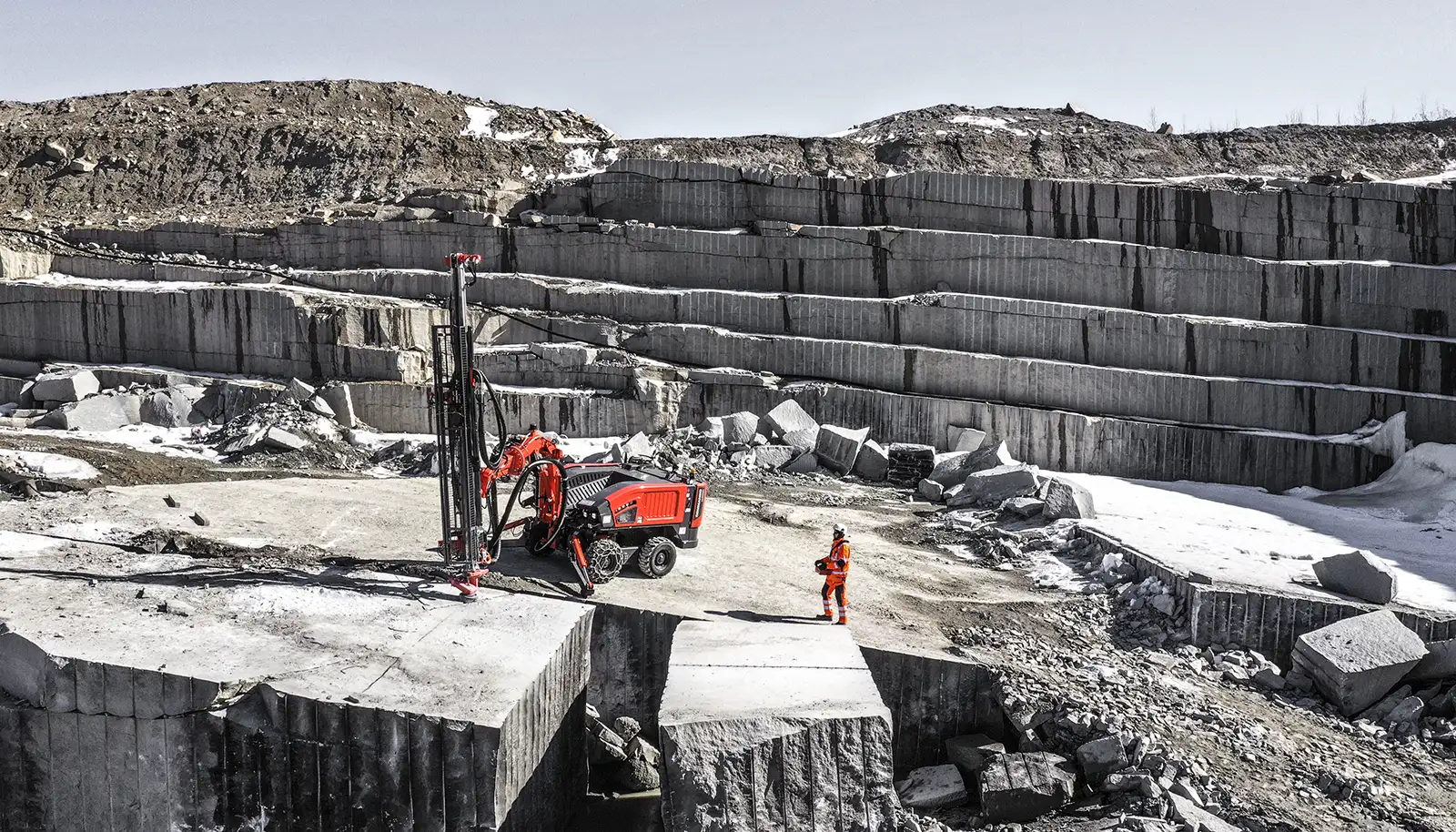
Peak season demands speed, flexibility and reliability. Production targets increase, project schedules become tighter and equipment needs to perform for longer working hours. When demand rises quickly, operations must be able to respond without creating unnecessary long-term costs.
Renting equipment provides the flexibility to expand your fleet for as long as the additional capacity is needed. It allows you to keep production moving, respond to changing project requirements and scale back once demand returns to normal.
Whether you need an additional drill rig, loader or truck, our rental equipment range helps you strengthen your operation without immediately committing to a permanent fleet expansion.
Here are four reasons why renting equipment can be a practical choice during peak season.
1. Minimise capital outlay
Peak periods often require fast decisions. A new project may start earlier than expected, production volumes may increase or an existing machine may become temporarily unavailable.
Purchasing additional equipment usually requires a significant upfront investment. When the extra capacity is only needed for a limited period, that investment may be difficult to justify.
Rental provides access to the equipment you need without tying up capital in an asset that may not be required once peak demand has passed.
This allows you to keep capital available for other priorities, including:
- Project mobilisation
- Recruitment and operator training
- Maintenance and repairs
- Consumables and spare parts
- New bids and upcoming projects
- Unexpected operational costs
By renting, the cost of the equipment can be aligned more closely with the period in which it is actively contributing to production.
2. Increase capacity quickly
Demand does not always increase gradually. A new contract, a change in the production plan or an unexpected equipment issue can create an immediate need for additional capacity.
Our rental equipment allows operations to respond quickly.
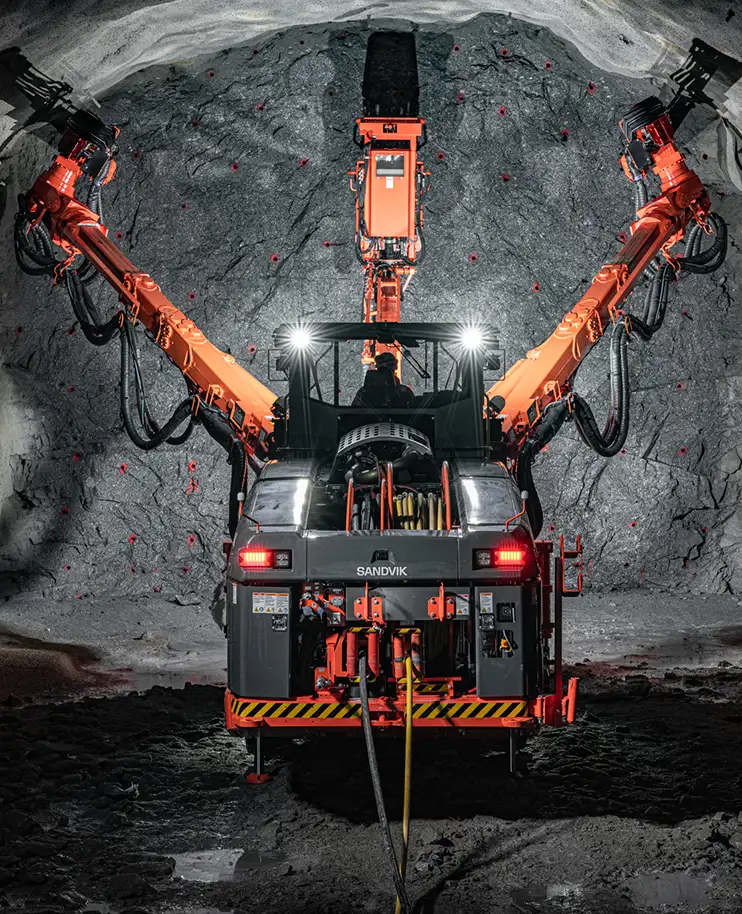
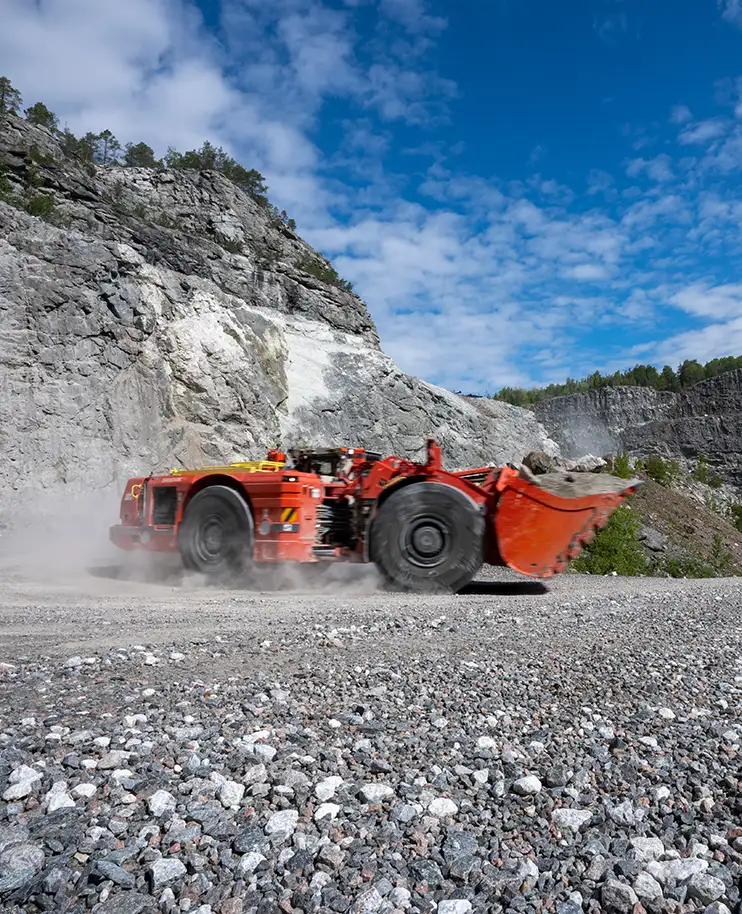
An additional surface drill rig can help increase drilling output at a quarry, mine or construction site. An underground drill rig can support development, tunnelling or ground support activities. Loaders and trucks can be added to manage higher material volumes and maintain an efficient production flow.
The equipment can be used during the busiest stage of the project and returned once the additional requirement ends.
Rental can be particularly useful for:
- Seasonal production increases
- Short-term projects
- Temporary fleet expansion
- New contracts
- Planned maintenance periods
- Delays in the delivery of purchased equipment
- Unexpected equipment downtime
- Applications requiring a specific machine type
Explore our rental equipment to find the machines that can support your operation during periods of increased demand.
3. Avoid idle equipment after peak demand
Owning equipment makes sense when a machine is used consistently over a longer period. However, equipment purchased to solve a temporary capacity issue may become underutilised once workloads decrease.
Even when a machine is not operating, it may continue to create costs. These can include:
- Storage
- Routine inspections
- Preventive maintenance
- Insurance
- Fleet administration
- Transportation between sites
- Repairs before returning to operation
The equipment will also continue to age and depreciate, regardless of how often it is used.
Rental helps match fleet capacity to actual operational demand. You add equipment when it is needed and return it when the requirement ends.
This reduces the risk of owning machines that spend long periods standing idle. It can also help maintain a more focused and efficient permanent fleet.
Rental gives operations time to evaluate whether an increase in demand is temporary or likely to continue. When the higher workload becomes permanent, purchasing additional equipment can still be considered.
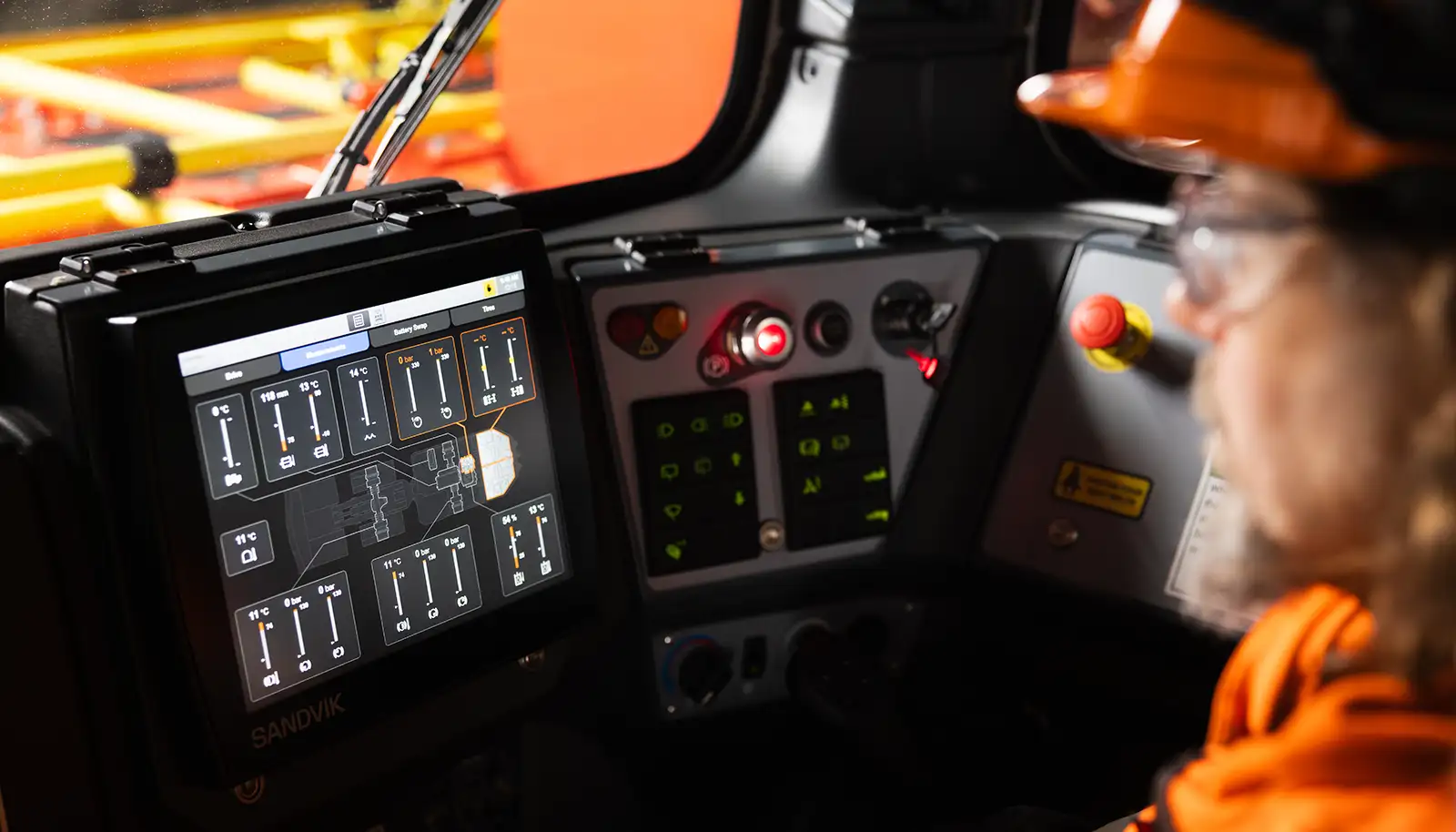
4. Get access to reliable equipment
Peak season leaves little room for unplanned downtime. When production schedules are tight, one unavailable machine can affect the entire operational process.
A delay in drilling may affect blasting. A delay in blasting may affect loading and hauling. In underground operations, downtime can slow development and influence the progress of the complete project.
Rental equipment must therefore provide more than extra capacity. It needs to be ready to work in demanding conditions.
Our rental equipment range gives you access to well-maintained machines for surface and underground applications. Depending on equipment availability and your operational requirements, you can explore options including:
Surface drill rigs
Our surface drill rigs support drilling activities in mining, quarrying and construction applications. They can provide additional capacity when drilling volumes increase or when project deadlines require a faster production pace.
Underground drill rigs
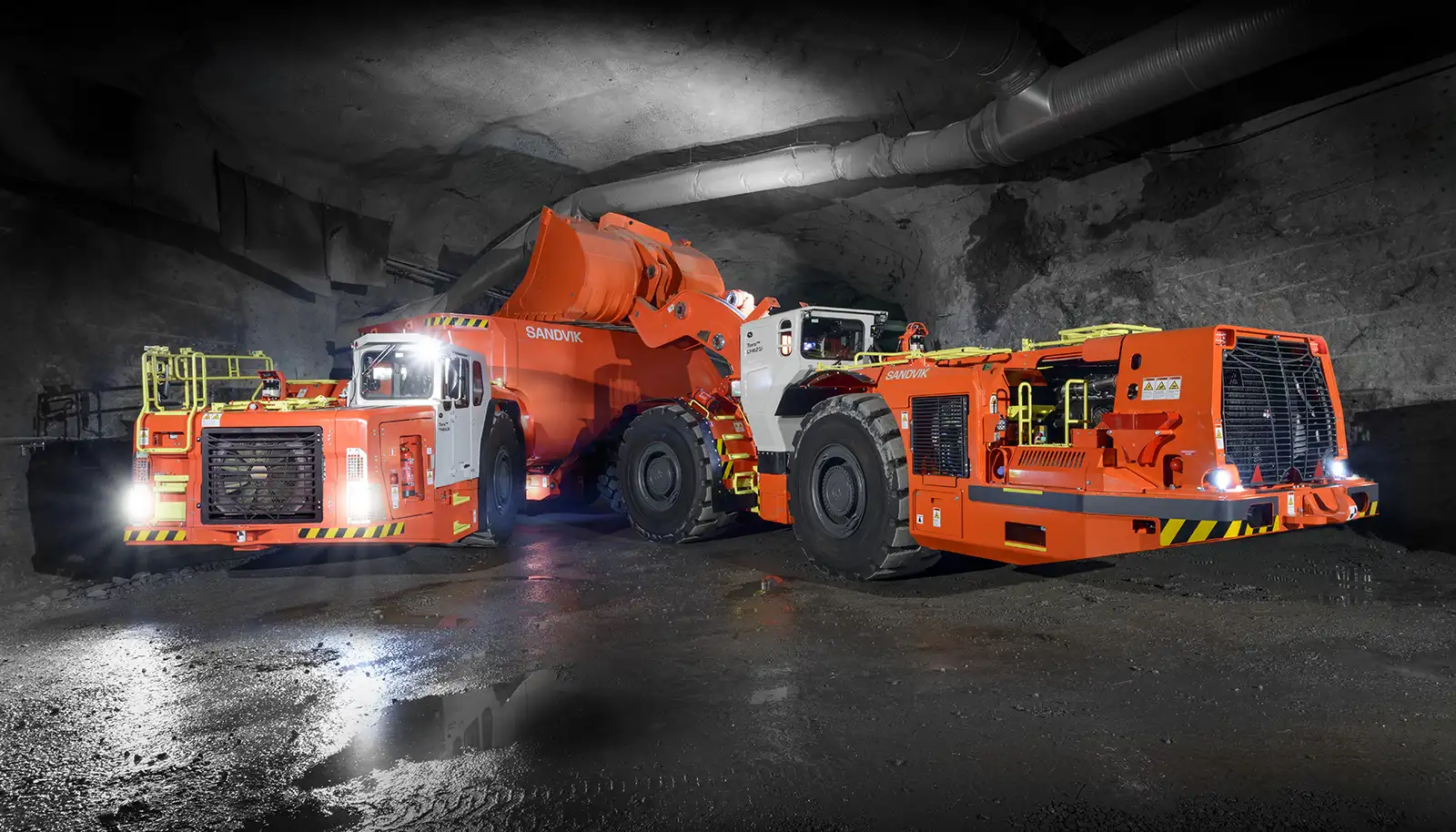
Explore underground drill rigs for development, tunnelling, production drilling and ground support applications. Rental can help strengthen underground operations during intensive project phases or planned fleet maintenance.
Loaders
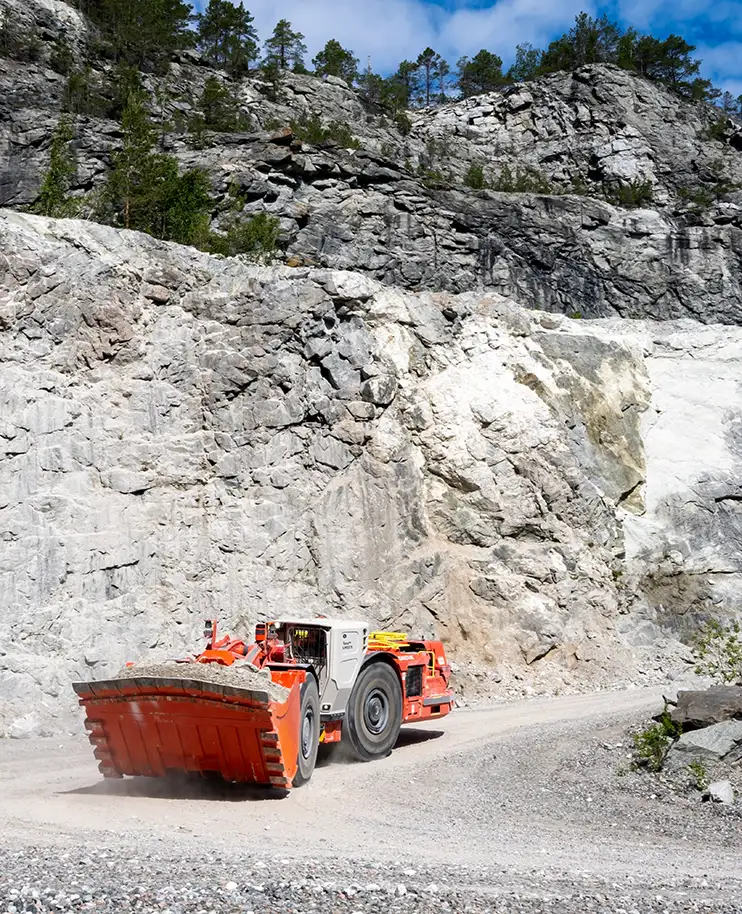
Underground loaders can provide additional loading and material-handling capacity when production volumes increase. They can also help maintain operational continuity when a machine from the permanent fleet is temporarily unavailable.
Trucks
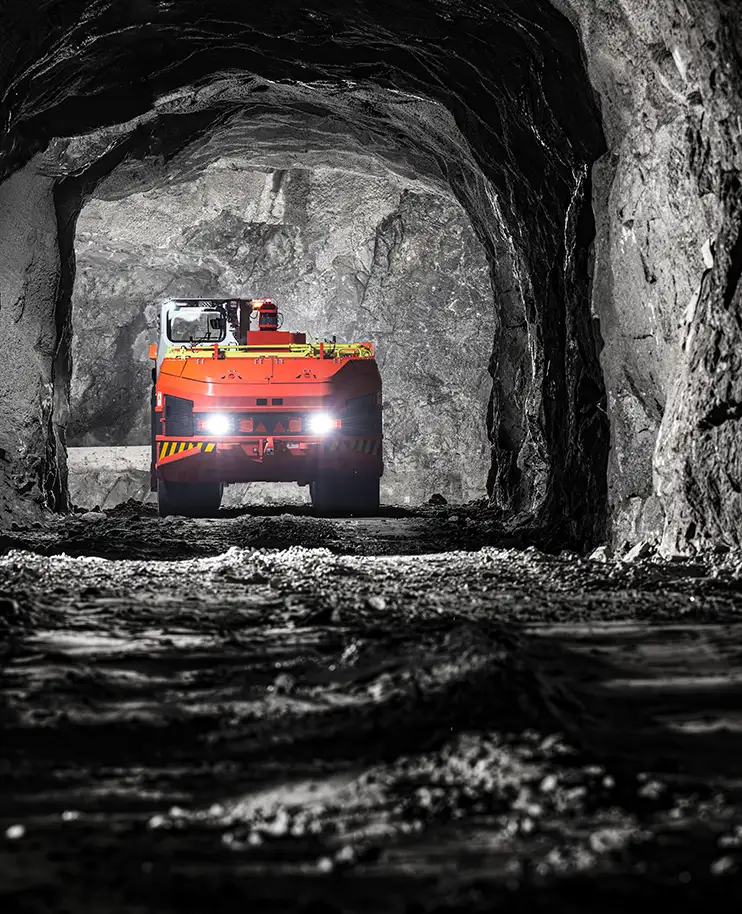
Additional underground trucks can support higher haulage requirements and help maintain the balance between loading and material transport.
By exploring our rental equipment, you can identify the machine type that best fits your application, production target and rental period.

Maintain production during planned maintenance
Peak demand is not the only reason to rent equipment. Rental can also help maintain production while equipment from your permanent fleet undergoes maintenance, repairs or a rebuild.
Planned maintenance is essential for protecting equipment performance and reliability. However, temporarily removing a machine from production can create a gap in fleet capacity.
A rental machine can help bridge this gap.
This enables maintenance teams to complete the required work properly, without the pressure to return the machine to production too quickly. It also gives operations greater flexibility when scheduling larger maintenance activities.
By including rental equipment in your fleet planning, you can support short-term production while protecting the long-term performance of your owned equipment.
Rent the equipment you need for the period you need it
Every operation has different requirements. The right rental solution depends on the application, expected workload, equipment specifications and duration of the project.
Before choosing rental equipment, consider:
- The expected production increase
- The duration of peak demand
- Current fleet availability
- Planned maintenance activities
- Potential production bottlenecks
- Equipment specifications
- Operator availability
- Site and application requirements
It is also important to consider the complete production process.
Adding drilling capacity may increase the number of completed holes, but the operation must also be able to manage the resulting blasting, loading and hauling requirements. Adding a loader may only increase productivity if sufficient truck capacity is available.
A balanced fleet helps ensure that each machine contributes effectively to the overall operation.
Rental or purchase?
The choice between renting and purchasing depends on how long the equipment is needed and how intensively it will be used.
Purchasing may be suitable when:
- The machine will be used consistently for several years
- Future production demand is stable
- The equipment performs a permanent role in the operation
- Long-term utilisation is expected to remain high
Rental may be the better option when:
- Demand is seasonal or temporary
- The project duration is uncertain
- Equipment is required quickly
- Additional capacity is needed for a defined period
- A machine is temporarily out of operation
- Upfront investment needs to be limited
- Future utilisation is difficult to predict
Rental provides the flexibility to respond to today’s requirements without making assumptions about tomorrow’s workload.
Explore our rental equipment
Peak season calls for a fleet that can adapt quickly. Rental equipment helps you increase capacity, protect available capital and avoid owning machines that may no longer be required once demand decreases.
Our rental equipment range includes machines for surface and underground applications, helping operations respond to temporary production increases, new projects and planned maintenance requirements.
Explore our rental equipment to:
- Add capacity during peak production
- Maintain output during equipment maintenance
- Support short-term or project-based work
- Access equipment for specific applications
- Scale your fleet without a long-term commitment
- Keep operations moving when uptime matters most